

Understanding Solar ROI
Return on investment (ROI) is a critical metric for homeowners considering whether to invest in solar energy systems. In essence, ROI measures the financial return generated from an investment relative to its cost. When applied to residential solar installations, it quantifies how much money a homeowner can expect to save or earn over time by switching to solar energy. Understanding solar ROI allows homeowners to make informed decisions about the feasibility and potential profitability of adopting solar technology.
Calculating solar ROI involves several factors, including the upfront costs of the solar system, available incentives, expected energy savings, and the longevity of the system. The initial investment encompasses the cost of solar panels, installation, and any ancillary expenses, such as permits or equipment. Homeowners can often reduce this cost through various government incentives, tax credits, and rebates that promote renewable energy adoption. Accurate calculations of these incentives are essential for an honest assessment of potential returns.
Energy savings are a significant component of calculating solar ROI. By generating their own electricity, homeowners reduce their dependence on the grid and lower monthly utility bills, which directly impacts overall savings. The ability to sell surplus energy back to the grid, known as net metering, can also enhance ROI by creating an additional revenue stream. To maximize financial returns, homeowners must consider the lifespan of the solar system, typically around 25 to 30 years, as this will influence the total savings over time.
Ultimately, calculating solar ROI serves as a roadmap for homeowners. It enables them to weigh the financial benefits against the initial investment, helping to ensure that the decision to invest in solar energy aligns with their long-term financial goals. In this way, understanding solar ROI equips homeowners with the necessary insights to evaluate whether solar solutions are a worthwhile investment for their residences.
Factors Influencing Solar ROI
The return on investment (ROI) for solar energy systems is influenced by various factors, which can significantly impact the overall performance, efficiency, and savings achieved by homeowners. Understanding these elements is crucial for accurately assessing the potential benefits of solar energy installations.
One of the primary factors affecting solar ROI is the type and condition of the roof. Roofs that are structurally sound, oriented towards the sun, and have ample space for solar panels allow for optimal energy production. Additionally, roofs that require repairs or replacements prior to installation can increase upfront costs, thereby affecting overall returns. The roof’s age, pitch, and prevalent shading from adjacent trees or structures must also be taken into consideration, as these aspects influence both energy generation and overall system efficiency.
Another significant factor is the energy usage profile of the household. A home that consistently consumes a large amount of electricity will typically benefit more from solar systems, as the savings on utility bills can be substantial. Contrarily, homes with minimal energy consumption may find that the savings do not justify the investment in solar panels. Furthermore, local tariffs and incentive programs play a critical role in determining ROI, as these can vary widely by region. Homeowners should thoroughly research available feed-in tariffs, solar rebates, and tax credits that can accelerate the payback period.
Shading from nearby trees or buildings is another critical element that can reduce a solar system’s performance. Even minimal shading can lead to significant losses in energy production, directly impacting financial returns. To maximize ROI, homeowners should consider trimming trees or relocating structures that cause shading, thereby ensuring that solar panels receive adequate sunlight throughout the day. By understanding and assessing these factors, homeowners can make informed decisions that lead to a more favorable ROI on their solar investment.
Calculating Simple Payback for Solar Systems
Determining the payback period for a solar energy installation is crucial for homeowners considering a switch to solar power. The payback period represents the time it takes for the savings generated by the solar system to equal the initial cost of the installation. To calculate this, one can follow a straightforward, step-by-step method using round numbers for easier comprehension.
The first step involves identifying the total upfront cost of the solar system. This cost typically includes the price of the solar panels, inverters, and installation fees. For example, if the total cost comes to $20,000, this figure serves as the baseline for further calculations.
Next, ascertain the average annual savings provided by the solar system. These savings can primarily stem from reduced electricity bills, which can vary based on energy consumption and local utility rates. As a practical illustration, if a homeowner saves approximately $2,500 per year on their electricity bills due to solar energy, this figure will be utilized in determining the payback period.
With the total cost and annual savings now known, one can compute the payback period. This is achieved by dividing the total cost of the solar installation by the annual savings. In this example, the calculation would be as follows:
$20,000 (total cost) ÷ $2,500 (annual savings) = 8 years.
Therefore, this homeowner would expect to recoup their investment in solar energy in about eight years. However, it is vital to recognize that various factors can impact this timeframe, such as changes in electricity rates, available tax incentives, and the efficiency of the installed solar panels. By understanding these variables, homeowners can make better-informed decisions regarding the financial viability of solar energy for their residences.
Real Savings From Home Solar Systems
Investing in solar panels for your home can result in substantial financial savings over time, particularly regarding energy costs. Homeowners who switch to solar energy often report reduced electricity bills, leading to immediate monthly savings. The average American household spends around $1,500 annually on electricity, depending on the region and usage. By integrating solar panels, homeowners can reduce this expenditure significantly, with some cases reporting savings of 50% or more. This translates to hundreds of dollars saved each year, freeing up resources for other essential expenses.
Beyond the direct reduction in monthly energy bills, various incentives can enhance the financial benefits of installing solar energy systems. Federal tax credits, such as the Investment Tax Credit (ITC), allow homeowners to deduct a substantial percentage of the solar installation costs from their federal taxes. Additionally, many states and local governments provide rebates and incentives aimed at promoting renewable energy adoption. Collectively, these financial incentives can reduce the overall cost of solar installation by thousands of dollars, ensuring homeowners see a quicker return on their investment.
Numerous case studies highlight the tangible savings achieved by real homeowners who have transitioned to solar energy. For instance, a family in California reported their monthly bill dropping from $300 to about $100 after installing solar panels. They estimated they would recover their installation costs within seven years, making their long-term energy expenses more predictable and manageable. Similarly, a couple in Florida utilized state incentives to install a solar system that allowed them to offset their electricity usage completely, ultimately achieving savings exceeding $2,500 annually. Such testimonials underscore the financial feasibility of solar energy, demonstrating that these systems can provide notable savings while contributing to environmental sustainability.
GPI’s Commitment to Quality Solar Installations
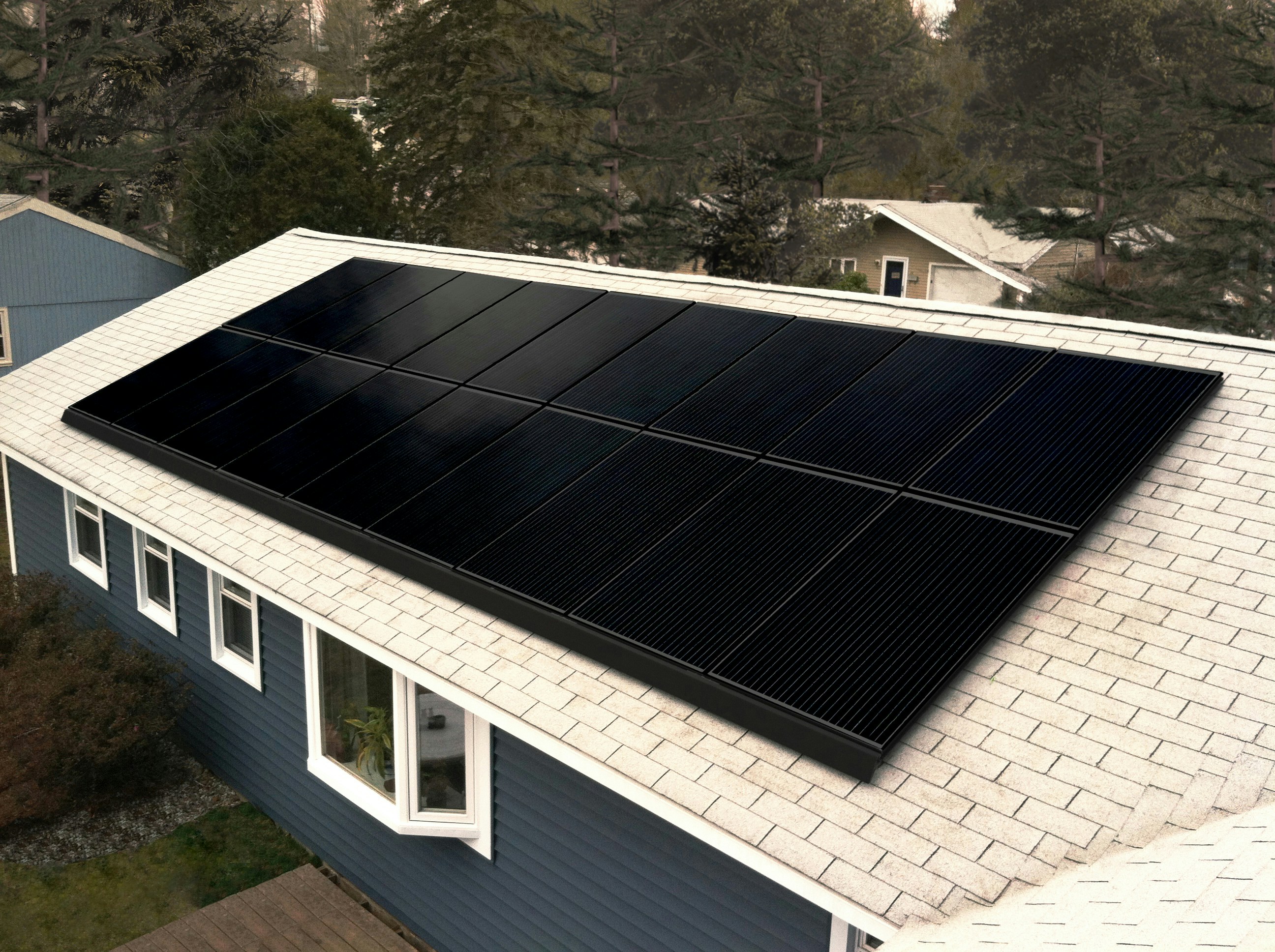
At GPI, the commitment to delivering high-quality solar installations is paramount. The company understands that homeowners seek not only efficiency in energy production but also aesthetically pleasing and reliable systems. To achieve this, GPI employs meticulous planning and execution processes, focusing on integrating solar technology seamlessly into existing architectural designs. This approach ensures that the installations do not compromise the visual appeal of the home.
One of GPI’s primary methods is ensuring that each installation is customized to fit the unique characteristics of the residence. This begins with a thorough assessment of the property, including roof orientation, shading from trees or nearby buildings, and the overall layout. By taking these factors into account, GPI can determine the optimal positioning of solar panels, which enhances energy production and aligns with the aesthetic of the home. The company utilizes advanced design software to model these factors accurately, ensuring that each installation is tailored to the specific needs of the homeowner.
Furthermore, GPI places a strong emphasis on quality materials and construction practices. All solar panels and components are sourced from reputable manufacturers, ensuring durability and long-term performance. This is complemented by the expertise of skilled technicians who carry out the installations, adhering to best practices in the industry. GPI’s installations not only focus on functionality but also on neatness, with careful routing of wiring and minimal intrusion into the home’s exterior.
By prioritizing both reliability and aesthetic integration, GPI provides homeowners with a solar solution that enhances both energy efficiency and the overall appeal of their property. This holistic approach helps reinforce the value of solar energy as a sustainable and attractive option for residential power needs.
Navigating Solar Permissions and End-to-End Service
Acquiring solar energy for your home involves various steps, one of the most crucial being securing the necessary permissions. GPI, a leading provider in solar solutions, simplifies this complex process through its comprehensive end-to-end service. This approach not only ensures compliance with local regulations but also minimizes the hassle that often accompanies solar installation projects.
The first phase of the solar installation journey is the site assessment, wherein GPI specialists evaluate your home to determine its solar potential. This includes analyzing roof orientation, shading issues, and existing energy consumption. Following this assessment, GPI navigates the permitting landscape on your behalf, guiding you through the often cumbersome process required for legal compliance. Permits are vital as they guarantee that the installation adheres to local building codes and safety standards, which can vary significantly depending on your location.
Once permits are secured, GPI shifts its focus to the installation phase. Their team of trained professionals ensures that the installation proceeds smoothly and efficiently, utilizing high-quality materials to maximize the performance of your solar system. Additionally, GPI takes care of all logistics, coordinating timelines and managing any third-party inspections that may be necessary. This degree of involvement alleviates many of the concerns homeowners might have regarding project delays or unexpected costs.
Moreover, GPI remains committed to providing post-installation support. Their customer service team is available to address any questions or concerns that may arise after the installation. This level of dedication not only facilitates a seamless transition to solar energy but also instills confidence in homeowners as they embark on their renewable energy journey. By handling permissions and offering a complete service package, GPI empowers homeowners to transition to solar energy more effortlessly.
Assessing Site Readiness for Solar
Determining whether your home is suitable for solar installation involves several practical considerations that can significantly impact the efficiency and effectiveness of a solar energy system. Homeowners can use the following checklist to assess their property’s readiness for solar energy adoption.
Firstly, roof orientation is a crucial factor. Ideally, solar panels should be installed on a roof facing south, which maximizes exposure to sunlight throughout the day. East and west orientations can also be suitable, but will produce less energy. Understanding the roof’s orientation helps in determining the optimal placement of solar panels for maximum energy capture.
Next, consider the structural integrity of your roof. Solar panels can add significant weight, so it is vital to ensure that your roof is sound and can support the additional load. It may be necessary to consult a structural engineer to assess the condition of your roof and validate its capacity for solar installation.
Shading analysis plays an important role in evaluating site readiness. Trees, buildings, or other structures that cast shadows on the roof can impede solar panel performance. Homeowners should assess the positioning of these potential obstructions throughout the day and across different seasons to gauge their impact on solar efficiency.
Another key aspect is the energy consumption pattern of your household. Analyzing utility bills over the past year can provide insights into energy usage fluctuations. Understanding daily and seasonal energy needs will help in sizing the solar system appropriately. A tailored solar solution can lead to a more effective reduction in energy costs.
By carefully considering these vital checklist components – roof orientation, structural integrity, shading analysis, and energy consumption – homeowners can better determine if their property is ready for solar installation. A well-prepared site not only enhances the potential benefits of going solar but also ensures a successful and efficient transition to renewable energy. Fine-tuning these elements sets the stage for a rewarding solar energy experience.
Common Misconceptions About Solar Energy
As homeowners consider the feasibility of solar energy, several misconceptions often cloud their judgment, affecting their decision-making process. One prevalent myth is the assumption that solar panels are prohibitively expensive. While the initial investment for solar installation can be significant, it’s essential to recognize that costs have steadily decreased over the past decade, and various financing options, incentives, and rebates are available. In many cases, homeowners can offset installation costs through federal tax credits and state programs, making solar energy a more affordable and attractive option.
Another common concern revolves around the efficiency of solar energy systems. Many individuals mistakenly believe that solar panels are ineffective in regions with less sunlight. However, solar technology has advanced considerably, and modern panels can still generate substantial energy even in cloudy or overcast conditions. Furthermore, advances in battery storage technology allow excess energy generated during sunny days to be stored for use when sunlight is limited. This capacity enhances the overall reliability of solar energy systems, ensuring they remain a viable energy source year-round.
Maintenance is another area of misunderstanding, with some homeowners fearing that solar panels require extensive upkeep. In reality, solar systems are designed to be low-maintenance. Typically, routine inspections and occasional cleaning to remove debris or dirt are all that is needed to maintain optimal performance. Most solar panels come with warranties, covering performance checks and repairs for up to twenty-five years. These attributes make solar installations not only a sustainable option for energy consumption but also a hassle-free long-term investment.
Next Steps for Homeowners Considering Solar
As homeowners weigh the decision to install solar panels, it is imperative to adopt a structured approach to ensure that their investment proves worthwhile. The first step towards embracing solar energy should be reaching out for professional consultations. Homeowners can consider contacting multiple solar installation companies to gain insights into various options available in the market. This step is crucial because it provides an opportunity to understand the specific technologies, potential savings, and financing options that suit individual circumstances.
When evaluating different solar companies, homeowners should focus on their reputation, customer reviews, and the warranties they offer. A reliable installer will have a track record of successful installations and satisfied customers. Additionally, checking for certifications, such as those from the North American Board of Certified Energy Practitioners (NABCEP), can assure homeowners of the company’s competency and quality standards. It’s also advisable to seek recommendations from friends or neighbors who have already made the transition to solar energy.
In the consultation phase, homeowners must not hesitate to ask pertinent questions that could uncover vital information regarding the solar panels’ efficiency, the potential for energy production specific to their location, and the long-term maintenance costs involved. Inquiring about the timeline from installation to activation, as well as understanding the financial incentives or rebates available at local, state, or federal levels, can significantly aid in making a well-informed decision.
Lastly, it’s essential for homeowners to conduct a personalized cost-benefit analysis based on their energy consumption and the potential savings from going solar. By following these actionable steps, homeowners can move forward confidently, ensuring that their transition to solar energy is both financially sound and beneficial for the environment.