

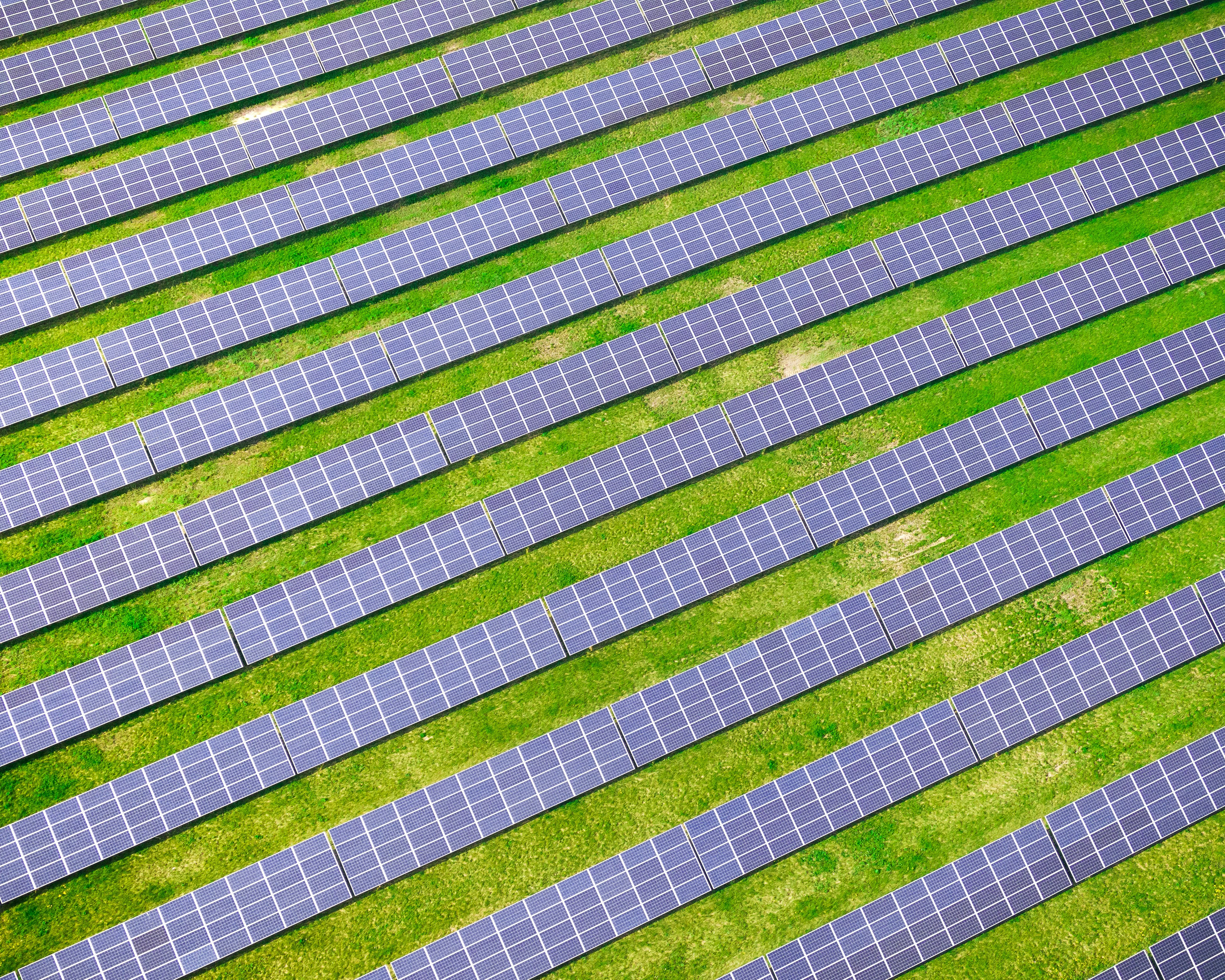
Introduction to Solar Energy
Solar energy refers to the radiant light and heat that the sun emits, which can be harnessed using various technologies. Primarily, solar panels play a pivotal role by converting sunlight into electricity. These panels consist of photovoltaic cells that absorb sunlight and, through a series of chemical reactions, convert this energy into usable electrical energy. Solar panels can be installed on rooftops, in open spaces, or even integrated into building materials, making them a versatile option for harnessing solar energy.
The significance of solar energy in today’s energy landscape has become increasingly evident as the world grapples with the challenges posed by climate change. The reliance on fossil fuels has led to heightened carbon emissions, which contribute to global warming. As a result, there is a growing necessity to transition to renewable energy sources, with solar energy being at the forefront of this movement. This transition not only aids in reducing greenhouse gas emissions but also promotes energy independence, diversifying energy sources and enhancing security.
In addition to environmental benefits, solar panels offer economic advantages. They provide an opportunity for energy cost savings for households and businesses by decreasing reliance on traditional energy sources. Government incentives and tax credits further enhance the appeal of solar energy systems, making them a financially viable option for many consumers. As technology continues to advance, the efficiency and affordability of solar panels are improving, fostering a more widespread adoption of solar energy solutions globally.
The increasing focus on sustainability and the urgent need to combat climate change underscore the importance of embracing solar energy technologies. By investing in solar panels and other renewable energy sources, society can create a cleaner, more sustainable future, characterized by a reduced carbon footprint and greater energy resilience.
Environmental Benefits
Solar energy presents significant environmental advantages, most notably by reducing greenhouse gas emissions. Traditional energy sources, especially fossil fuels, emit large quantities of carbon dioxide and other greenhouse gases that contribute to global warming and climate change. In contrast, solar panels harness sunlight to generate electricity without producing harmful emissions. According to the U.S. Department of Energy, widespread adoption of solar technologies could reduce greenhouse gas emissions by billions of tons over the next several decades, showcasing the potential impact of transitioning to renewable energy sources on a national scale.
Additionally, the implementation of solar panels aids in water conservation. Conventional energy production often requires extensive water usage for cooling and processing. For instance, coal and natural gas facilities use substantial amounts of water, which can lead to depletion of local water resources. Conversely, solar energy systems need minimal water for operation, as they primarily rely on sunlight. The National Renewable Energy Laboratory estimates that switching to solar electricity could save millions of gallons of water annually, thus preserving precious water supplies, particularly in arid regions where water scarcity is a critical concern.
Furthermore, solar energy significantly decreases air pollution levels. By generating electricity from renewable resources, such as solar panels, we can mitigate the release of pollutants that contribute to smog and respiratory issues in urban areas. A 2020 study from the Environmental Protection Agency highlighted that shifting to clean energy options can significantly reduce health-related expenses and promote better public health outcomes. The reduced emissions not only benefit individual health but also promote the overall well-being of ecosystems, leading to healthier wildlife and natural habitats. Through these diverse and impactful environmental benefits, solar energy represents a sustainable path toward a cleaner, healthier planet.
Economic Advantages
The financial benefits of solar energy significantly contribute to its growing popularity among homeowners and businesses alike. One of the most compelling reasons to invest in solar panels is the long-term savings on electricity bills. By generating their own electricity, users can reduce their reliance on utility companies, which often results in substantial monthly savings. Over the lifespan of solar technology, typically spanning 25 years or more, accumulated savings can amount to tens of thousands of dollars, depending on energy consumption and local electricity rates.
In addition to reduced electricity costs, the maintenance of solar panels is relatively low. Once installed, solar energy systems generally require minimal maintenance, primarily involving periodic cleaning and occasional inspections. This advantage further enhances the overall cost-effectiveness of solar energy solutions, making them an attractive option for both residential and commercial users.
Government incentives and tax credits serve to make solar panels even more financially viable. Numerous jurisdictions offer significant tax credits for solar panel installation, which can drastically lower the initial capital required. Additionally, various rebate programs and low-interest financing options are increasingly becoming available, incentivizing more individuals and businesses to transition to solar energy. As public policy continues to shift towards renewable energy, these supportive measures are crucial in promoting wider adoption.
The declining prices of solar technology also play a pivotal role in fostering accessibility. Over the past decade, the costs associated with solar panels have decreased significantly due to advances in technology and increased competition among manufacturers. This trend makes solar energy systems a feasible investment for a growing number of consumers.
Finally, the expansion of the solar energy sector presents substantial job creation opportunities. As more installations occur and the demand for solar technology grows, numerous positions, from manufacturing to installation and maintenance, will emerge, contributing to local and national economies.
Energy Independence
The reliance on fossil fuels has long been a cornerstone of the global energy landscape, leaving many nations vulnerable to fluctuations in the market and geopolitical instability. The advent of solar energy, particularly through the utilization of solar panels, presents a viable alternative that can significantly bolster both national and individual energy independence. By harnessing the sun’s abundant energy, countries can reduce their dependence on foreign oil, promoting a more resilient and self-sufficient energy framework.
One of the major benefits of solar energy is its capacity to allow homeowners and businesses to generate their own electricity. This decentralization of energy production not only empowers individuals but also contributes to a more stable energy economy. When solar panels are installed, property owners can produce clean energy locally, minimizing reliance on grid electricity that is often generated from fossil fuels. This ability to produce energy on-site translates to greater self-reliance, insulating households from market volatility and fluctuating energy prices.
Incorporating renewable energy sources such as solar panels also aligns with global efforts to transition towards sustainable energy systems. As investments in solar technology continue to grow, the cumulative effect can lead to a significant decrease in a nation’s overall fossil fuel consumption. This shift represents not only an environmental benefit but also a strategic maneuver to enhance energy security. The more a country invests in renewable energy sources, the less it will have to rely on imports of oil and gas, leading to greater energy autonomy.
Ultimately, the adoption of solar energy stands to create a more independent and reliable energy infrastructure. Embracing this technological advancement enables both nations and individuals to take control of their energy needs, thereby promoting long-term sustainability and economic stability.
Technological Advancements in Solar Energy
Recent years have seen remarkable technological advancements in the domain of solar energy, significantly enhancing the efficiency and effectiveness of solar panels. One of the most notable improvements is the development of high-efficiency solar cells, which can convert a greater percentage of sunlight into usable electricity. Traditional silicon-based solar panels usually have efficiencies between 15% and 20%, but newer technologies, such as bifacial solar panels and multi-junction cells, are achieving efficiencies of over 25%. This improvement not only maximizes energy production but also optimizes the return on investment for consumers and businesses alike.
In parallel with advancements in solar panel efficiency, energy storage solutions have also evolved, addressing one of the major limitations of solar energy: its intermittency. The integration of state-of-the-art battery technologies, such as lithium-ion and emerging solid-state batteries, enables households and businesses to store excess energy generated during the day for use during evening hours or cloudy days. These storage innovations are critical for ensuring a stable and reliable energy supply, making solar energy a more viable option for a wider range of applications.
Furthermore, innovative applications of solar energy are becoming increasingly diverse. From solar-powered vehicles to large-scale solar farms and integrated solar solutions in architecture, the versatility of solar technology is expanding. For instance, building-integrated photovoltaics (BIPV) allow solar panels to be seamlessly integrated into building materials, effectively turning rooftops and facades into energy-producing surfaces. This not only enhances the aesthetics of buildings but also contributes to energy efficiency. As these technological advancements continue to develop, solar energy is poised to play an even more significant role in the global energy landscape, appealing to an ever-growing audience seeking sustainable and renewable energy solutions.
Solar Energy and Sustainability
In the quest for a sustainable future, the importance of renewable energy sources, particularly solar energy, has become increasingly evident. Solar energy is a clean, abundant resource that offers a viable solution to many environmental challenges. By harnessing the power of the sun through solar panels, we can significantly reduce our dependence on fossil fuels, which are a major contributor to greenhouse gas emissions. This shift towards renewable resources aligns with global initiatives aimed at achieving sustainable development goals (SDGs), specifically those related to affordable and clean energy, climate action, and responsible consumption and production.
The integration of solar energy into our daily lives not only addresses immediate energy needs but also plays a crucial role in long-term ecological balance. The utilization of solar panels is part of a broader movement towards sustainable practices that emphasize resource efficiency and environmental stewardship. As communities increasingly recognize the detrimental effects of traditional energy sources on air quality and global temperatures, the transition to solar energy becomes an essential component of a sustainable energy strategy.
Moreover, adopting solar energy technologies fosters innovation and economic development. The growth of the solar industry creates job opportunities in manufacturing, installation, and maintenance, contributing to local economies. By investing in solar energy, we are promoting sustainable job creation and supporting technological advancements that can lead to further reductions in carbon emissions.
Utilizing solar energy is not just a choice for today; it is an investment in the future of our planet. As we strive for long-term ecological balance, harnessing solar power is a proactive measure that ensures resources are available for generations to come. By committing to a sustainable energy model that prioritizes renewable sources like solar energy, we pave the way for a cleaner, healthier world. In conclusion, the role of solar energy in promoting sustainability cannot be overstated, as it is fundamental to meeting both current and future energy demands while protecting our environment.
Challenges and Solutions
The adoption of solar energy, while beneficial, is accompanied by a set of challenges that need to be addressed to enhance its viability as a primary energy source. One of the most pressing challenges is the initial cost of solar panels and installation. Despite significant decreases in prices over the years, the upfront financial investment can still be a barrier for many consumers and businesses. To mitigate this issue, various financing options have emerged, including solar loans, leases, and power purchase agreements (PPAs), which allow users to begin harnessing solar energy without the need for substantial initial outlays.
Another key challenge is space requirements. Solar panels require a considerable amount of surface area for optimal energy production, which may not be feasible for all property types, especially in densely populated urban areas. Innovative solutions are being developed to address this concern, such as building-integrated photovoltaics (BIPV) and community solar projects. BIPV utilizes building materials that incorporate solar technology, allowing energy generation without compromising the building’s aesthetics. Community solar projects enable multiple users to invest in a shared solar array, providing access to solar energy for those who cannot install panels on their own properties.
The intermittency of solar energy presents another significant challenge, as energy generation is dependent on sunlight, leading to fluctuations based on weather conditions and time of day. This reliance can cause concerns regarding energy security and reliability. To address this, energy storage systems, such as batteries, are being increasingly adopted. These systems store excess energy produced during peak sunlight hours, ensuring that it can be utilized when solar production is low. Moreover, advancements in solar technology and grid management are continuously improving the efficiency and reliability of solar energy systems.
Real-Life Success Stories
The transition to solar energy has proven beneficial for numerous individuals and businesses around the world. One notable example is a family from California who decided to install solar panels on their home in 2018. Before the installation, they struggled with high electricity bills during peak summer months. After integrating solar technology, they reported a remarkable 70% reduction in their monthly energy costs. Their experience underscores the financial advantages of adopting solar energy, highlighting how it can transform household budgets.
Another inspiring case comes from a small business owner in Texas who operates a coffee shop. Faced with rising energy costs and an increasing desire to adopt more sustainable practices, she opted to install solar panels on her establishment’s rooftop. The investment not only equipped her business with renewable energy but also allowed her to promote her commitment to sustainability. As a result, her coffee shop drew in more environmentally-conscious customers, leading to a 25% increase in sales. This success demonstrates how solar energy can enhance both operational efficiency and a business’s reputation in the community.
Moreover, a nonprofit organization focusing on environmental conservation decided to switch to solar power for their headquarters in Florida. By harnessing the sun’s energy, they significantly decreased their operational costs, which allowed them to allocate more funds towards their mission-driven projects. Their story exemplifies how solar panels can empower entities to increase their impact while being stewards of the environment. Collectively, these testimonials illustrate the practical benefits of solar energy, revealing that its adoption is not merely an eco-friendly choice but a financially sound investment.
Conclusion: The Future of Solar Energy
As we have explored throughout this discussion, the advantages of solar energy are manifold and significant. First and foremost, solar panels present an opportunity for individuals and businesses to harness a renewable energy source, thereby reducing reliance on fossil fuels and decreasing environmental impacts. By making the shift to solar energy solutions, consumers can significantly lower their electricity bills and enjoy long-term financial savings.
Moreover, the adoption of solar technology contributes positively to the economy by creating jobs in the renewable energy sector, fostering innovation, and stimulating local industries. As governments and institutions continue to support the transition towards sustainable energy alternatives, advancements in solar technology will likely lead to even more efficient systems with improved energy capture and storage capabilities.
Besides economic benefits, harnessing solar energy ultimately plays a substantial role in mitigating climate change. With rising global temperatures and increasingly severe weather patterns, transitioning to solar power can minimize greenhouse gas emissions, leading to a healthier planet. Energy independence is another critical advantage; investing in solar panels can enable communities to generate their own power, reducing vulnerability to fluctuating energy prices and geopolitical tensions associated with traditional energy sources.
In conclusion, the future of solar energy is bright, and the benefits it offers extend beyond financial savings. As individuals, it is vital to consider how integrating solar technology into our homes and businesses can result in both personal advantages and positive environmental impacts. Each step towards adopting renewable energy creates a ripple effect, inspiring others to follow suit. We encourage readers to explore solar energy options, consult local providers, and consider the many ways they can contribute to a sustainable and prosperous future through the use of solar panels.